
Penguin’s predecessors
Before the so-called paperback revolution the most successful publisher of English language paperbacks was Tauchnitz Editions. Based in Leipzig it sold books in English on the European continent. Residents, travellers and students in Europe therefore had a vast and cheap library of books in English to choose from. Tauchnitz started this project in 1841 and it lasted until the 1930s.
The covers were paper rather than card stock, with what was in effect a title page on the front rather a dedicated design, graphics and illustration were absent. They feel cheap and disposable but were sturdy enough for travellers and students to pass them around

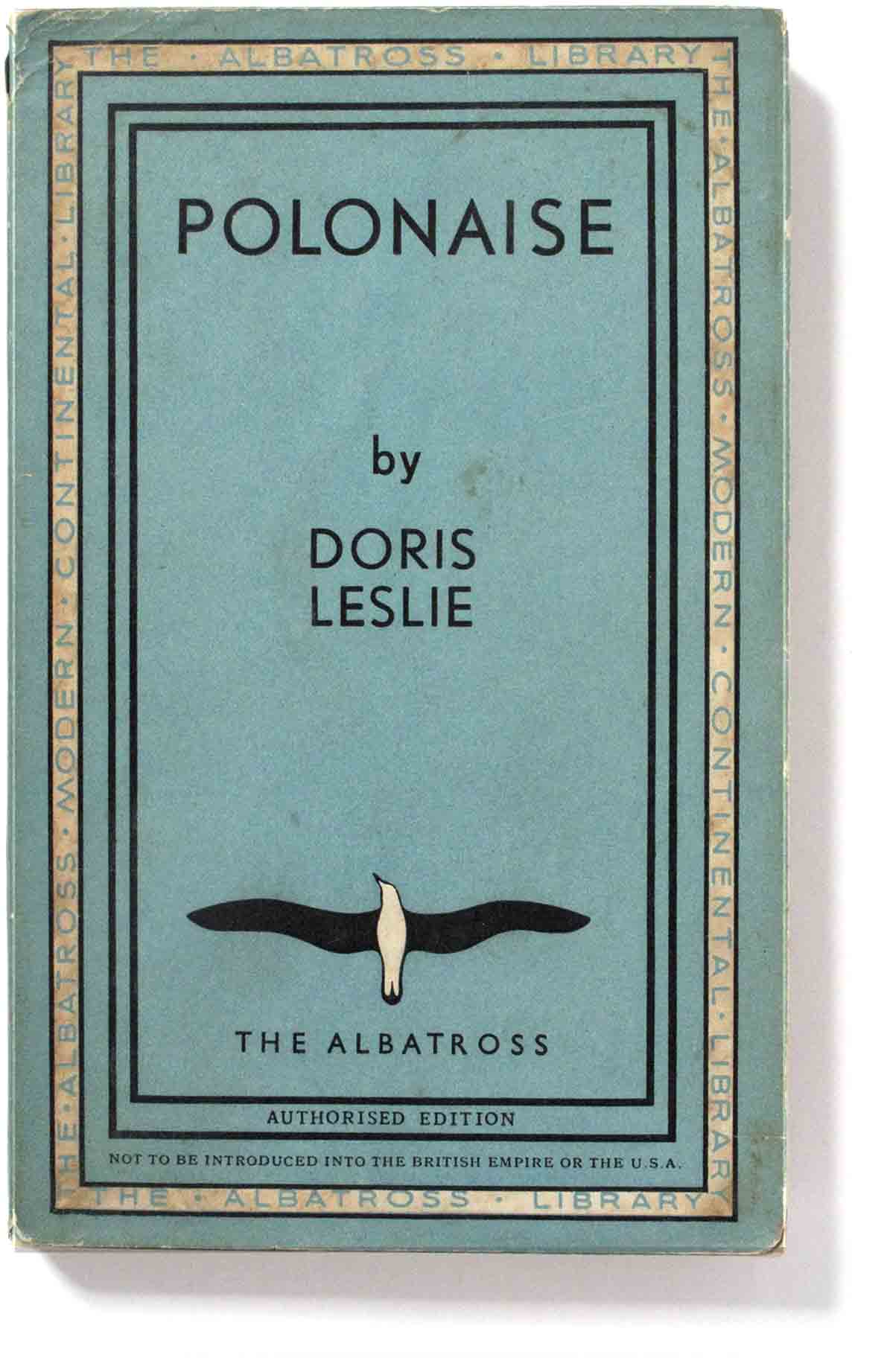
Albatross started in 1932 and published English language paperbacks in Europe, thus competing with the dated-looking Tauchnitz books, which it soon bought out. Albatross modernized the paperback adopting a Golden Section shape, updated typographic covers and high typographic standards within. Giovanni Mardersteig, the legendary typographer, designed the format.
So successful was Albatross that Alan Lane shamelessly imitated its style and branding when he established Penguin books in 1935: same format, same style of typographic covers, and same use of a bird name for the new company.
The two titles shown above were published in 1947 and 1949 in the brief postwar revival of the brand which closed its doors in 1950. By that time its co-founder, Kurt Enoch, had already moved on to The New American Library, publisher of Signet and Mentor books, the successor to American Penguin, (which he had also founded with Alan Lane). NAL became another immensely successful publishing house under this publishing genius.
Penguin’s Competitors
 /
/
Penguin’s immediate and massive success in July 1935 launched what became known as the Paperback Revolution. Previously, books were luxury items mainly for the middle classes and sold in stuffy bookshops. The arrival of cheap, well-printed paperbacks changed the book economy for ever.
One of Penguin’s closest competitors was Hutchinson’s “Pocket” Library started in 1935 and, like Penguin, soon expanded to a range of categories including novels, crime, romance and non-fiction. It’s covers followed Penguin’s lead in having brightly coloured geometric designs.

Publishers quickly brought out their own paperback lines to share in this previously unsuspected new market. You can see from the examples how they employed broadly similar graphic approaches, bright colours, geometric shapes and bold sans serif type. Hutchison’s Pocket Library was one of the more successful.
 ././
././
Sampson Low’s Sixpennies used a colourful horizontal grid with bold centred type, reminiscent of Penguin’s layout.
William Collins introduced the White Circle imprint in 1936, the year after Penguin’s arrival, and developed it into a major competitor for Penguin. The example shown is a film tie-in for the 1938 MGM movie which starred Robert Taylor and Vivien Leigh.
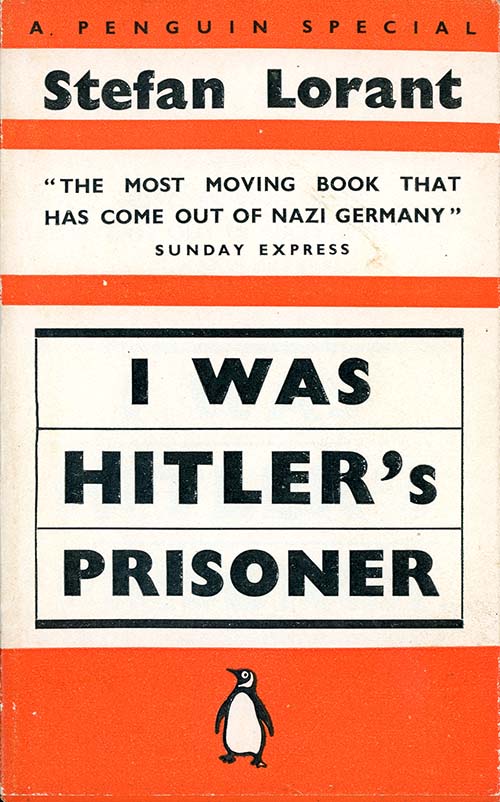
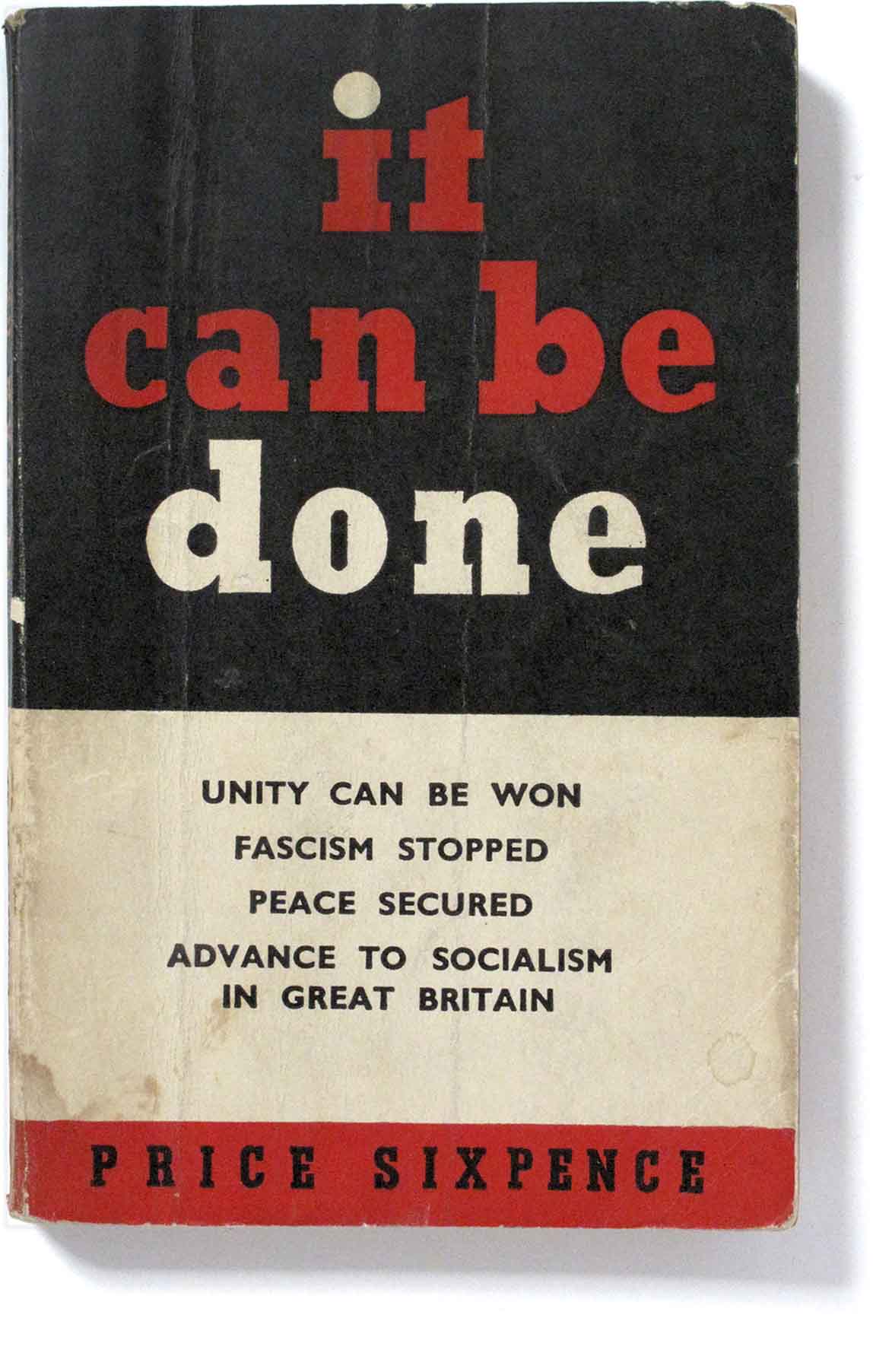
The amazing popularity of the topical Penguin Specials in the late 1930s encouraged other publishers to release political non-fiction titles to the same new market.
 ////
////
/ /////
/////
An Australian story
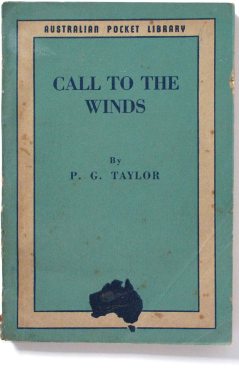
The Australian Pocket Library was the result of government assistance in the 1940s, to help start an Australian paperback brand through “the reprinting of standard, out-ofprint books, in cheap editions, in order to alleviate the book famine.” The assistance worked with sellout runs of 25,000. In a population of seven million, this was an equivalent proportion to Penguin’s print runs in the UK. An expansion with up to thirty new titles following soon after.
The above visual comparison with a 1940s Albatross cover shows a failure of imagination in the publisher of the start up Australian Pocket Library in 1944. Similar colour, border panels and layout have been used.

 PENGUIN SERIES DESIGN
1 Comment