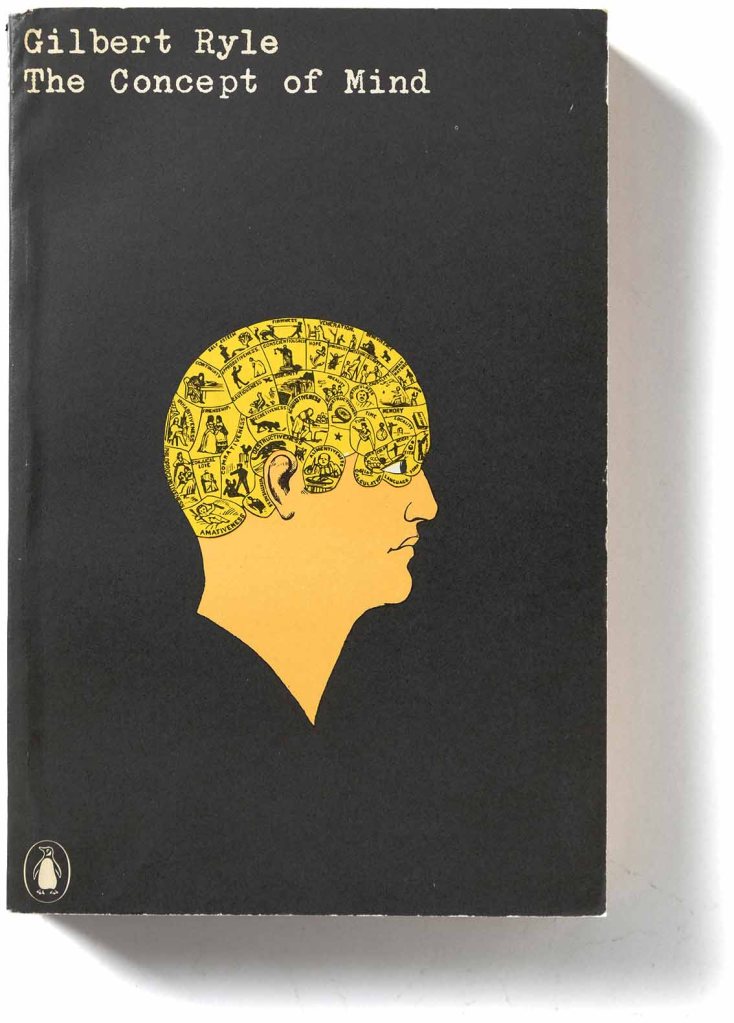
These stylish books were part of a new series of paperback texts for university courses, launched in 1971. Penguin was a player in the education market with such imprints as Penguin Education (which I wrote about here). But both of these imprints stumbled, with the University series closing in 1974. Still, the intention was good.
“The new series of Penguin University Books is offered in response to the recognized need for paperbound (and therefore somewhat cheaper) editions of books which make a significant contribution to scholarship. Covering many fields, the series will concern itself with the social and historical links binding the world of thought to the world of action.”
The books are physically substantial being printed in B format, 128 x 198 mm, which is the larger of the two standard paperback sizes. The package is typical of Penguin’s high standards: a compact and affordable product with classical text design inside and contemporary cover design outside.
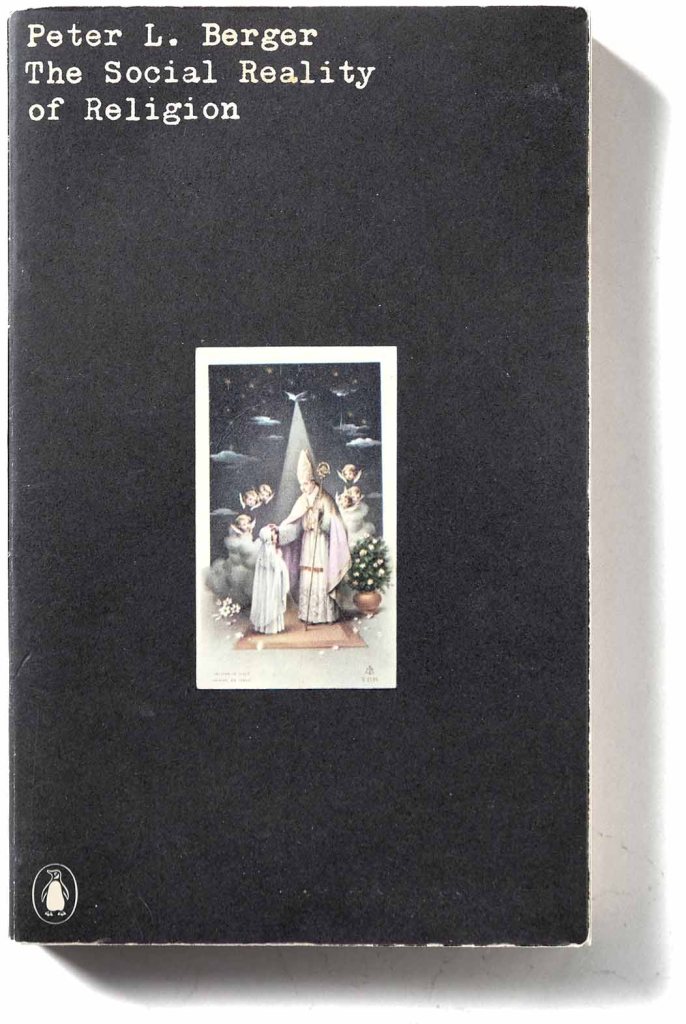
John McConnell did the covers in a minimalist vein, black background with neat illustrations taken from popular culture, for example a holy card standing for a book on The Social Reality of Religion. The author, title and back cover blurb were typed out on an Olivetti typewriter. The ingredients are simple but their effect is potent.
John McConnell was a director of Pentagram Design for thirty-one years and is one of the most awarded designers in D&AD’s fifty-year history.
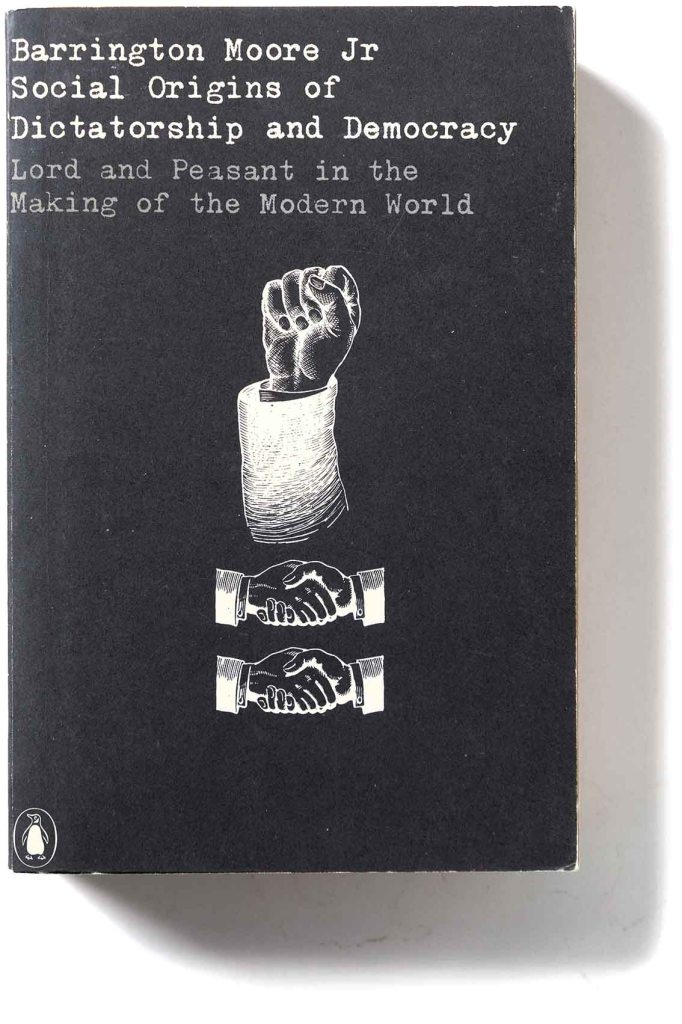
“This book defines the course of change from agrarian to industrial state … and demonstrates how the relationship between lord and peasant can produce parliamentary democracy, fascism and communism.” A visual statement using vintage hand icon engravings to explain domination and collaboration, or revolution and democracy.
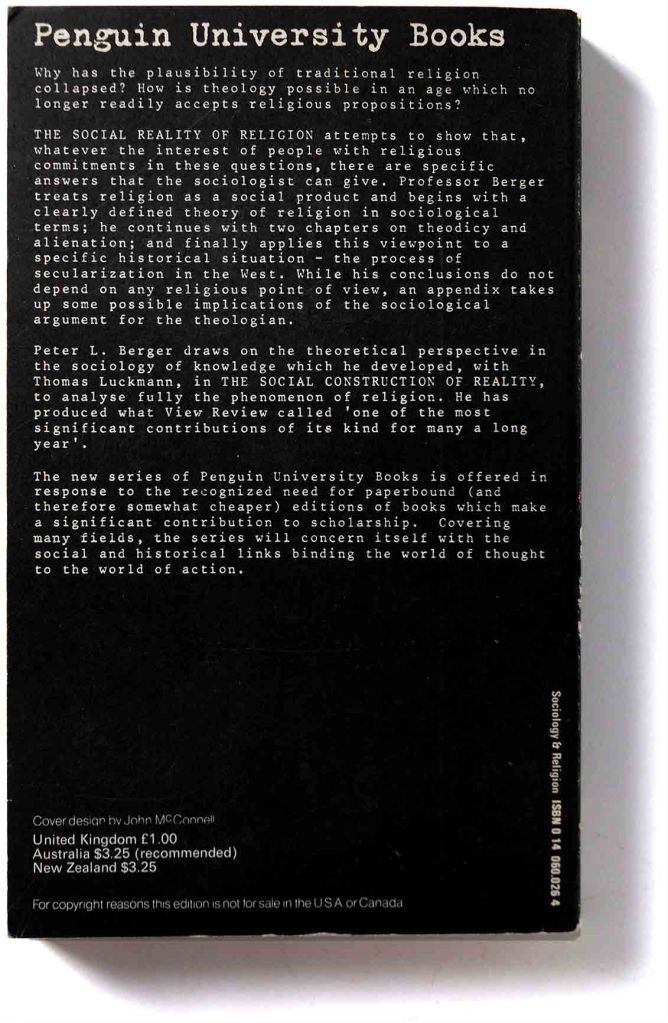
A straightforward treatment of the description and blurb text. The body of the text appears as a student’s typewritten assignment.


